Lake Michigan Lessons: Why Preparation Still Wins Races
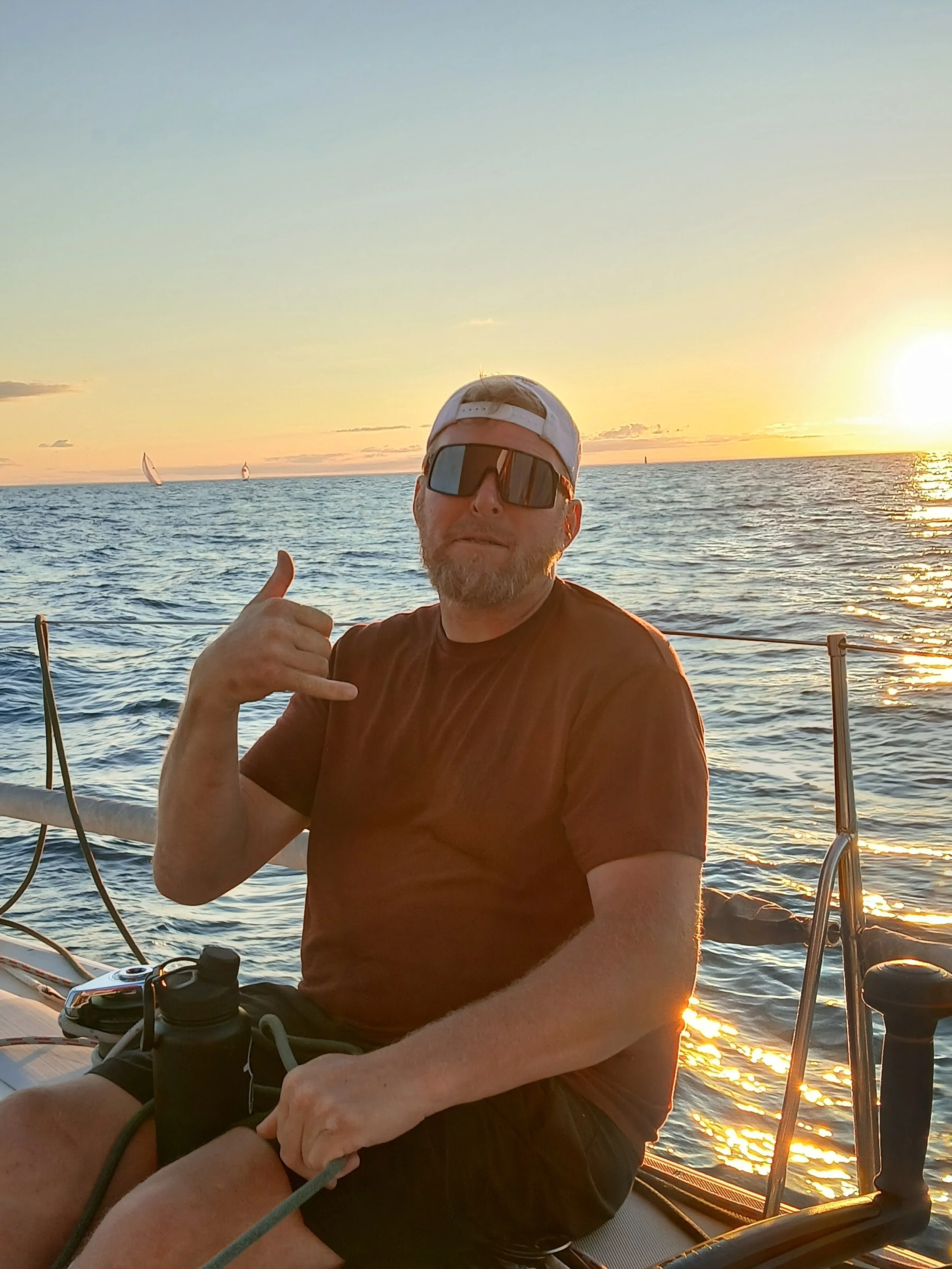
JUNE 2025 • QUEEN’S CUP • SYNDEY 41 ‘UNKNOWN LADY’
My trip to the Great Lakes wasn’t about chasing trophies or checking off another Mackinac race. I went north to help my 2022 Golden Globe team manager, Birch Olinger, prepare his boat for the Port Huron to Mackinac Race. That part mattered. The race itself? Less so.
I’d lived in Detroit for 14 years and sailed 14 Port Huron–Mackinac races. I’d also sailed 14 Chicago–Mackinac races. I knew the water, the weather patterns, and the rhythm of Lake Michigan racing. Still, since I was already there, it made sense to see if I could find a ride for the Chicago Mac—if nothing else, more miles, more lessons, more time sailing with different crews.
I added my name to the Chicago Yacht Club crew finder.
Not long after, I heard from David Ward, the owner of a Sydney 41—a boat I would later remember was named Unknown Lady. David was putting his program together and offered me a spot, but with a condition. If I wanted to sail the Chicago Mac, I’d need to commit to either the NOOD Regatta or the Queen’s Cup as a tune-up.
I chose the Queen’s Cup. It’s an overnight distance race, much closer in feel to the Chicago Mac than buoy racing ever is.
I arrived in Milwaukee on Thursday and spent a few hours with David getting the boat ready for the Friday evening start. The forecast called for light air and a reaching race across Lake Michigan—tight reaching with the asymmetric and a finish sometime before sunrise.
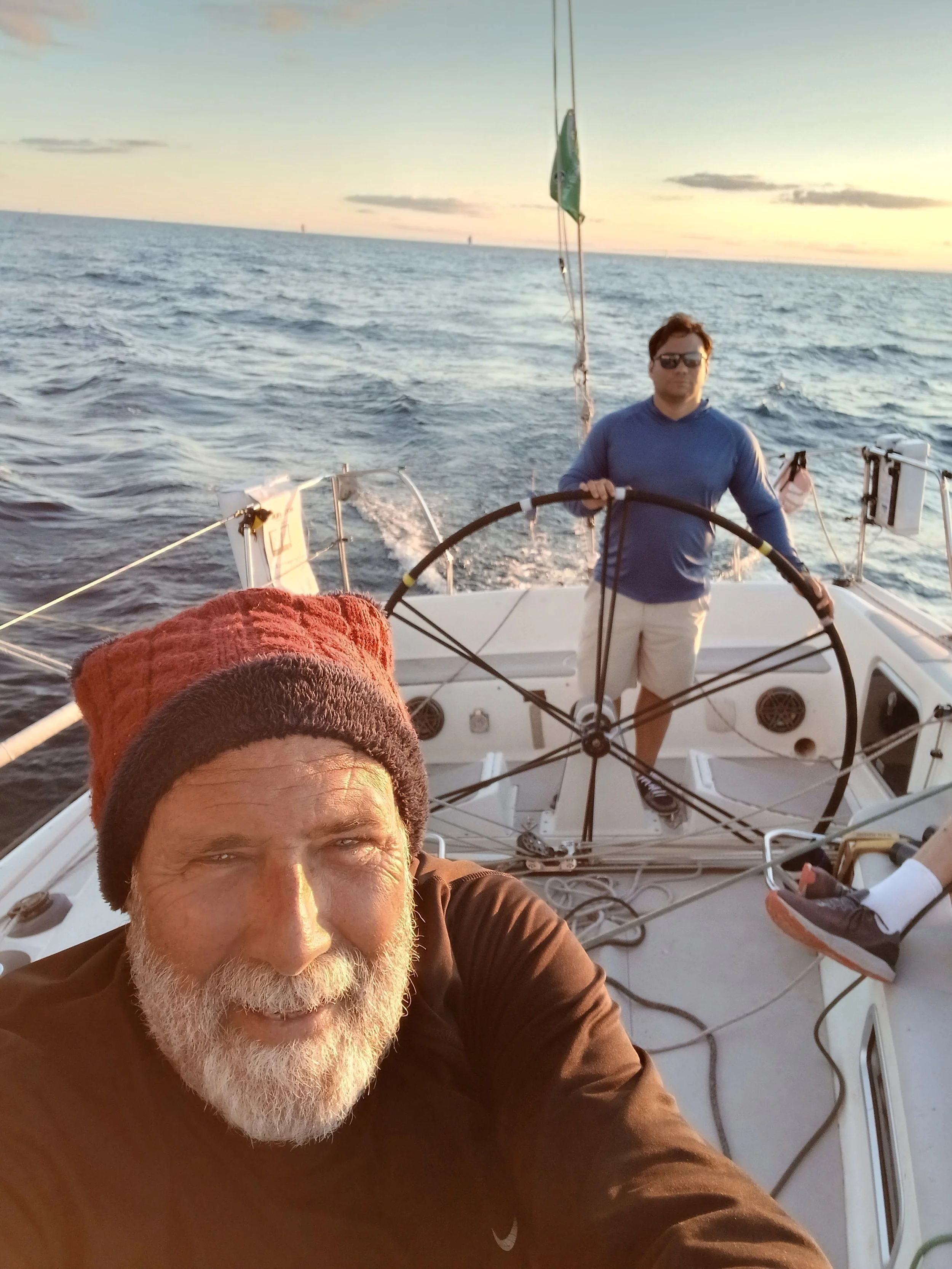
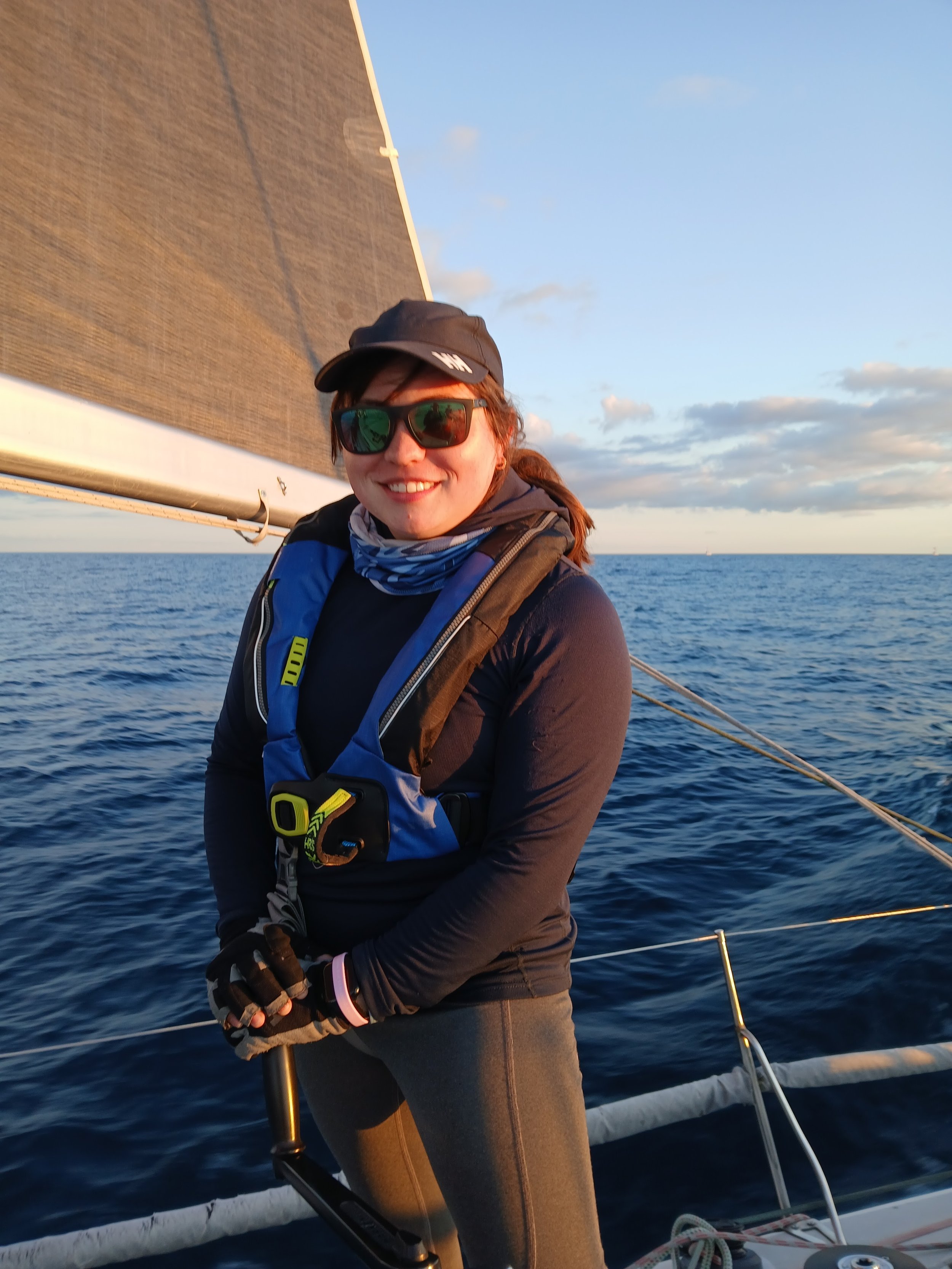
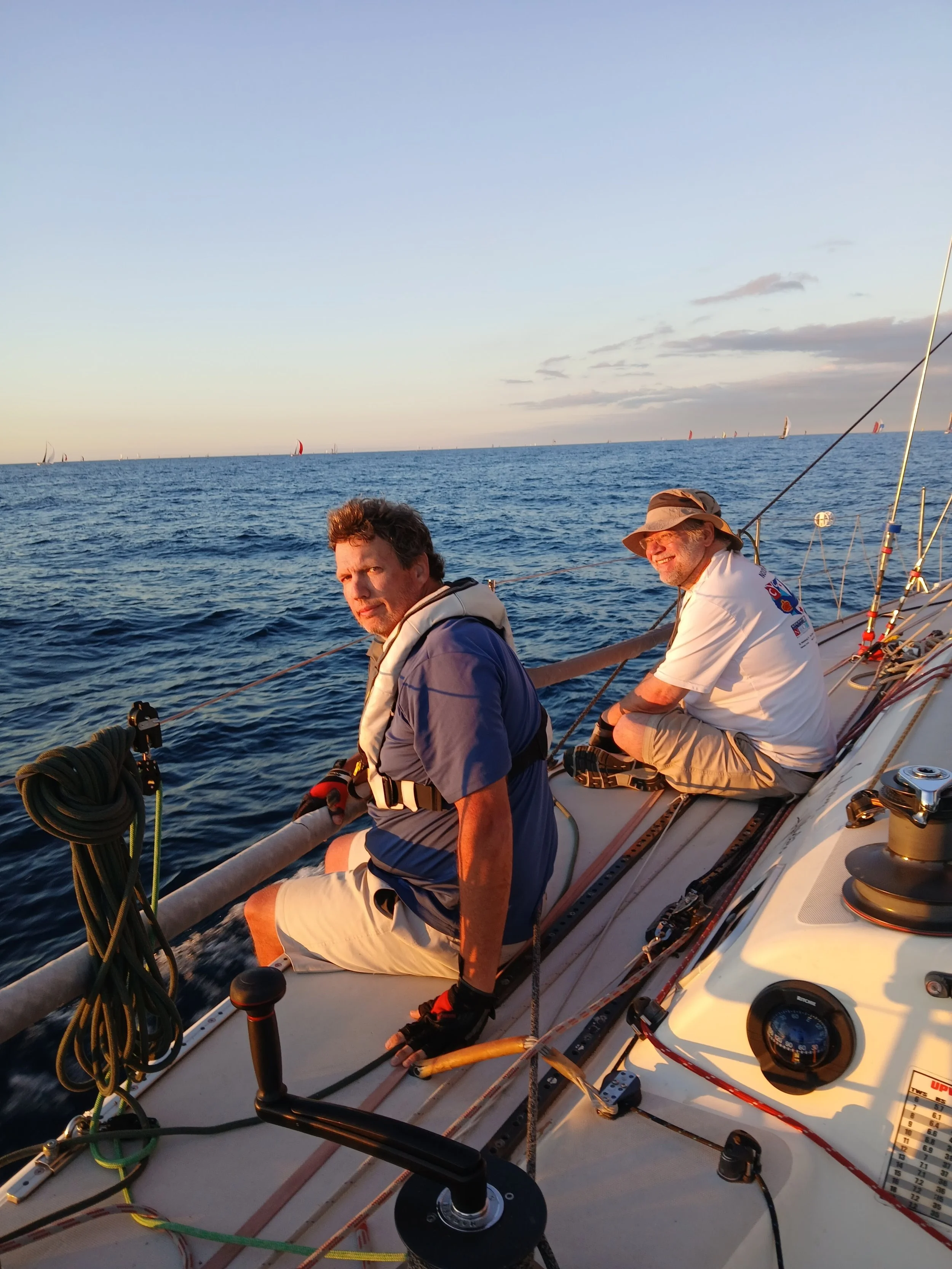
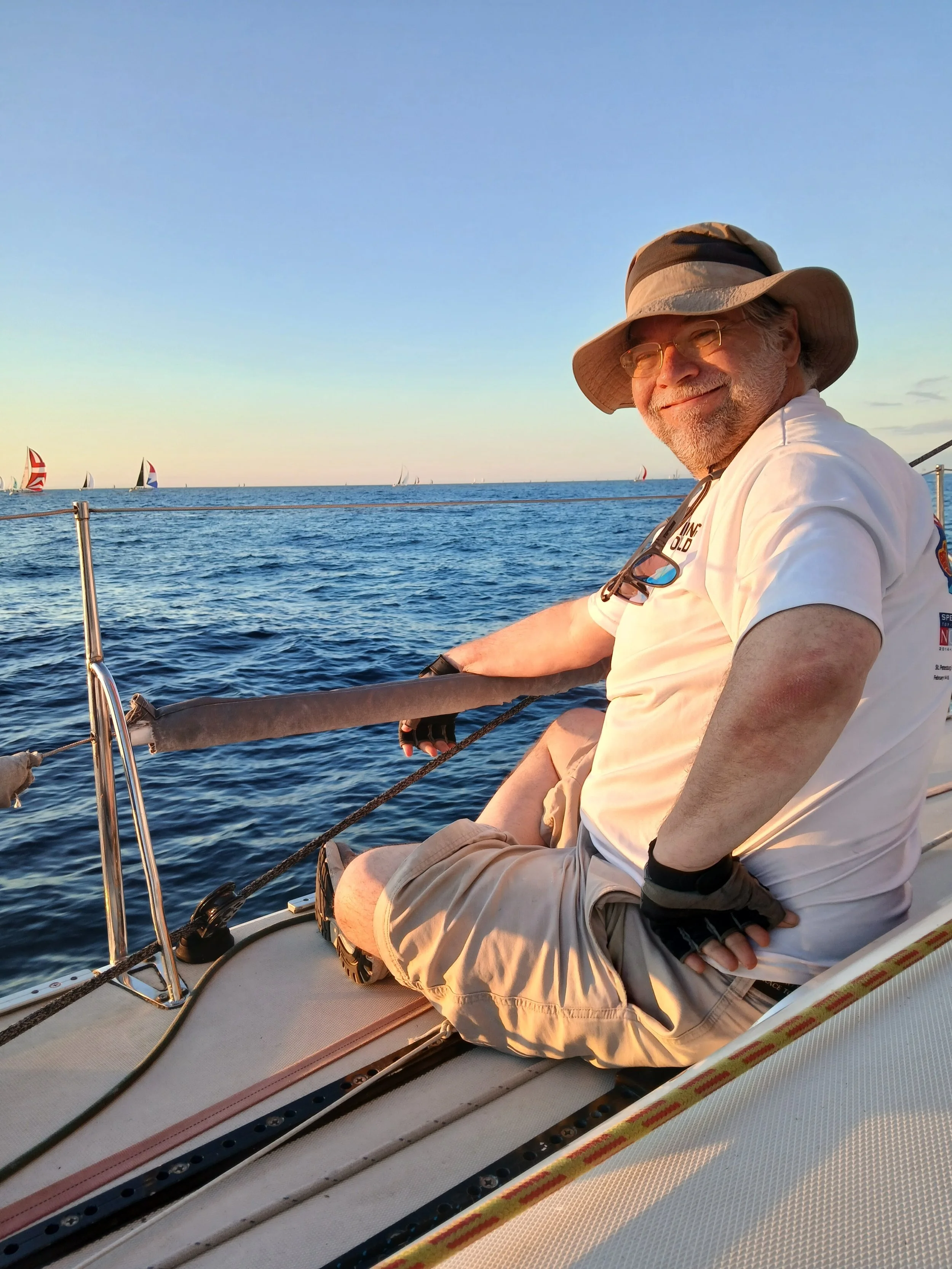
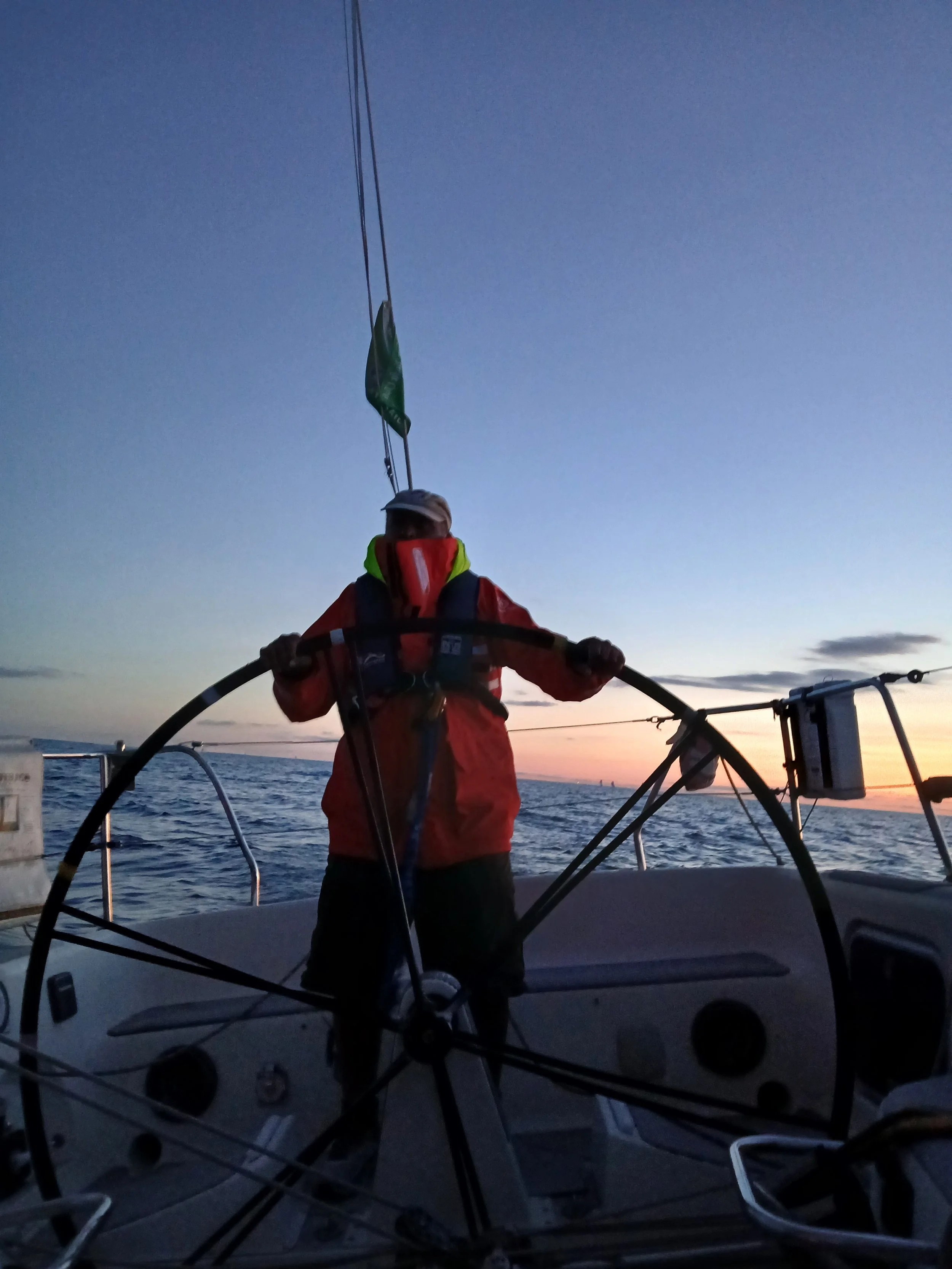
David had a solid crew, and I enjoyed sailing with them. The race unfolded much as predicted: light, steady pressure and long stretches of reaching. We hoisted the spinnaker early and carried it deep into the night. Just before the finish, a wind shift came through, and we needed to set the jib and douse the spinnaker.
That’s when we discovered the problem.
The spinnaker halyard had jumped the sheave.
What should have been a routine takedown became a full-blown issue. We crossed the finish line with the spinnaker still aloft, and it took more than an hour after finishing to get it down. That only happened after someone was sent to the top of the mast to free the halyard from the snap shackle and release the sail.
Even so, we finished 5th out of roughly 13 boats, which wasn’t terrible considering the circumstances. But the message was clear: the boat—and the systems—needed more attention. With the Chicago Mac only weeks away, this was precisely the kind of thing you want to discover early.
Or at least earlier than race day.